 By
By Snap announced a dedicated Specs unit on January 28. Bloomberg had confirmed a consumer AR glasses launch for 2026 back in June 2025. Meta is shipping $799 Ray-Ban AI glasses while pulling Horizon Worlds out of VR headsets. Google and Warby Parker announced lightweight Gemini-powered glasses this year. Samsung teased camera-equipped AI glasses with phone-based processing. Apple keeps iterating on Vision Pro.
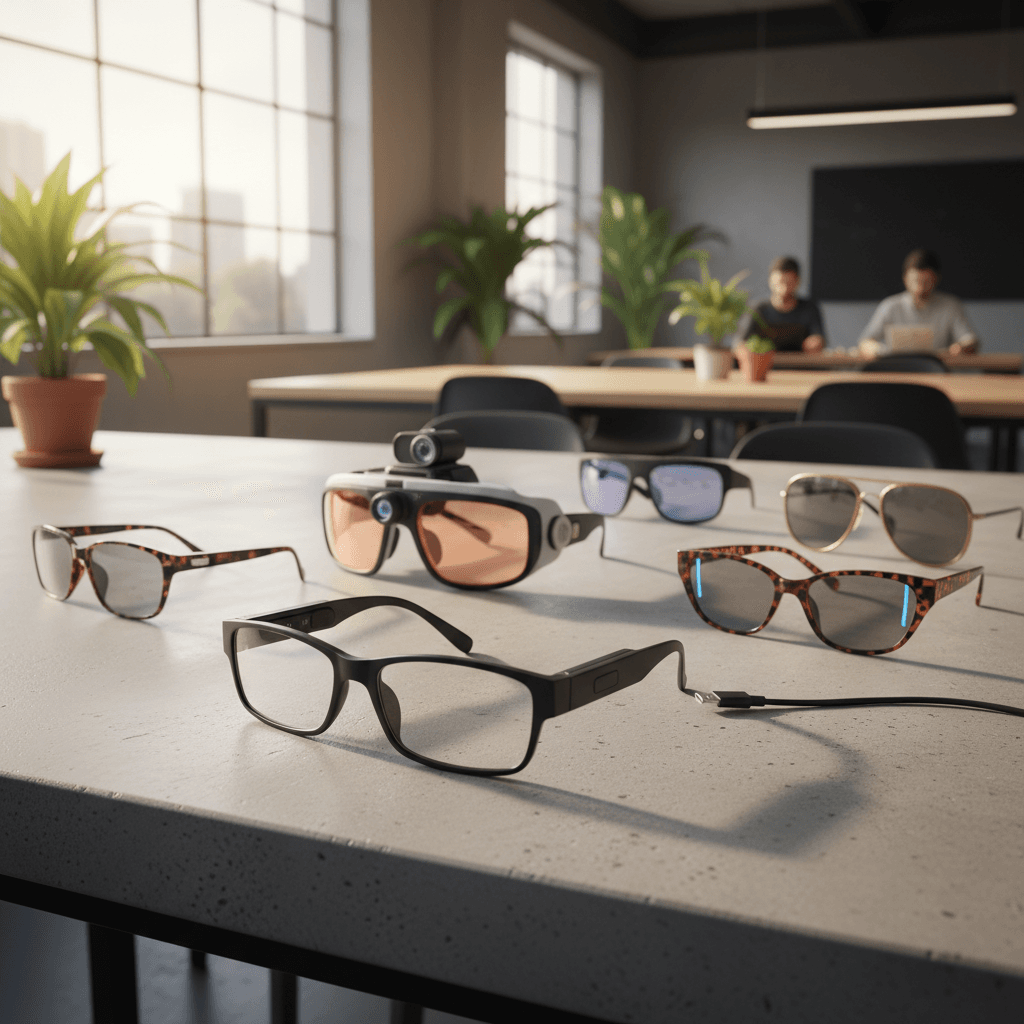
Five companies. Same form factor. Something that looks like regular glasses and keeps you in the real world. This is the most alignment immersive tech has ever had, and it happened fast.
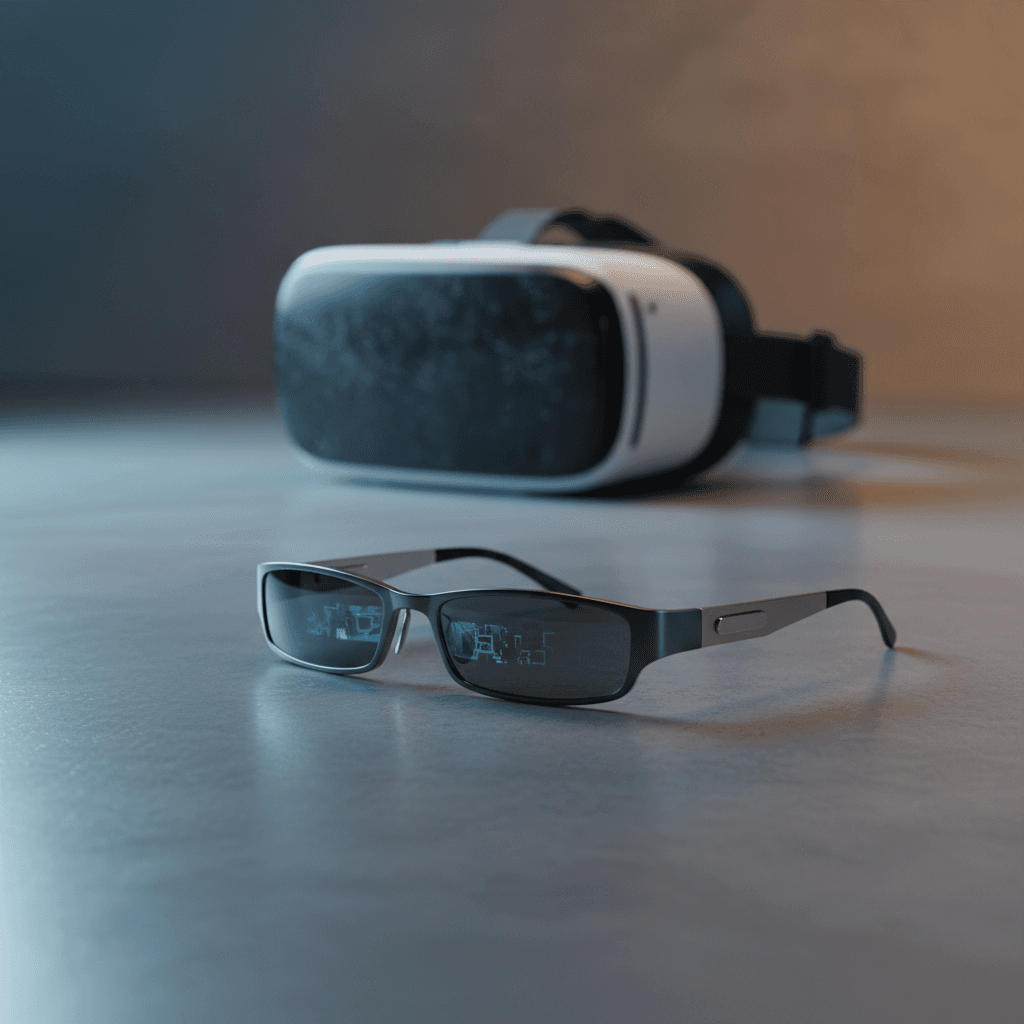
Six months ago, the narrative was fragmented. Meta was the VR company. Snap was the camera company. Apple was the premium spatial computing company. Now they're all building variations of the same product. The question worth asking isn't whether AR glasses are the future. It's whether any of these companies can ship a version people actually wear past the first week.
The Snap bet
Snap established its Specs unit as a standalone division, not a side project tucked inside the camera team. That's an organizational signal that matters more than any press release. Bloomberg reported Snap aims to beat several rivals to consumer shelves, according to Glass Almanac's coverage of the June 2025 report.
I tried the developer Spectacles last year. The field of view is limited. The battery burns fast. The display washes out in direct sunlight. But wearing them felt different from strapping on a Quest headset. You're still in your kitchen. Still talking to whoever is next to you. The digital layer sits on top of the real world rather than replacing it. That felt like a preview of something real, even through all the rough edges.
The open question is price. Snap hasn't announced consumer pricing or retail partners. Developer kits and consumer products are different animals. If Specs ship above $500, mainstream adoption gets much harder. If they land near $300, this changes everything for AR Lens creators who've been building on phones for years.
Meta's quiet redirection
Meta's Horizon Worlds VR shutdown grabbed headlines this month, but the deeper story is where Meta redirected those teams. The company told users it was "separating the two platforms so each can grow with greater focus," as reported by CNBC. Quest handles standalone VR gaming. Horizon Worlds becomes a mobile app. And Meta's actual hardware energy goes toward glasses.
Reality Labs has burned through approaching $80 billion in cumulative operating losses since late 2020, with 2025 alone hitting $19.1 billion in losses against $2.2 billion in revenue, according to CNBC's reporting. Over 1,000 Reality Labs employees were laid off in January, roughly 10% of the division, per Road to VR. That's a company recalculating, not giving up.
The $799 Ray-Ban Display glasses are Meta's real bet now. If they sell, Meta gets to claim it found the right form factor after years of expensive VR lessons. If they don't, the company has an $80 billion sunk cost and a glasses product that couldn't find buyers either.
The convergence nobody planned
What makes this moment unusual is that nobody coordinated it. These companies arrived at the same conclusion independently: people will wear glasses on their face all day. They won't wear VR headsets all day.
Android XR is positioning itself as the open platform for this hardware generation. Forbes argued in February that "physical AI" is what makes AR useful for real tasks rather than demos. IDC projects headset shipments grew 39.2% in 2025 to 14.3 million units. The hardware market is moving.
But here's what keeps bugging me. VR wasn't wrong about the experience. I've had moments in a Quest where I genuinely forgot I was in my living room. Valve's Steam Frame headset is on the way, and gaming VR has a real audience. The problem was assuming that immersion translates to daily utility. It doesn't. A navigation overlay you glance at while walking is more useful than a virtual office you sit in for hours, even if the virtual office is more impressive.
That's the concession the entire industry just made, whether they'll say it out loud or not.
What we don't know yet
- Whether Snap can ship consumer Specs at a mainstream price point. No pricing, no retail partners, no supply chain details have been announced publicly.
- How developers will handle SDK fragmentation across Meta, Snap, Apple, and Google glasses platforms. Early reactions are split between excitement about distribution and worry about maintaining apps across four ecosystems.
- Whether the killer app for face-worn computing exists yet. Right now, notifications and navigation are the best use cases. That might not be enough to justify wearing a computer on your face.
- How regulators will respond as AR glasses with cameras move into public spaces at scale. Privacy and moderation questions haven't been answered.
What comes next
The second half of 2026 is a product launch gauntlet. Snap ships Specs (or delays). Meta pushes Ray-Ban glasses into retail. Google and Samsung enter with their own hardware. Apple keeps refining Vision Pro.
The company that wins this race won't be the one with the best display specs or the lightest frame. It'll be the one that gives people a reason to keep wearing these things after the novelty fades. Right now, nobody has that answer. But at least they're finally asking the right question.
Cole Nakashima covers mixed reality for The Daily Vibe.