We cover the technology reshaping the world. AI that writes code. Ad platforms that predict behavior. Mixed reality that blurs the line between physical and digital.
But technology doesn't appear from nowhere.
Every breakthrough in AI traces back to a math paper. Every new chip traces back to materials science. Every medical device traces back to a biology lab. We've been covering the output for years. Now we're covering the source.
Today, The Daily Vibe launches Science — our sixth editorial category.
What This Section Is
Science through the lens of tech and AI. Not a general science desk — a focused beat that covers discoveries and breakthroughs where fundamental research intersects with technology.
Think "DeepMind cracks protein folding." Think "AI discovers new antibiotic." Think "quantum error correction hits a milestone that actually matters for computing." If a discovery has a clear tech or AI angle, it belongs here. If it doesn't, it doesn't.
This section exists because the gap between fundamental research and applied technology is closing fast. You can't fully understand what's happening in AI without understanding what's happening in neuroscience. You can't track the next wave of computing without watching what physicists are doing with quantum systems right now.
Science is the upstream. We're adding the upstream.
What This Section Is Not
A general science magazine. We're not covering every new species or geological survey. Every story in this section anchors back to technology — that's the editorial gate and we're enforcing it strictly.
It's also not a debate platform. We're not here to litigate policy, ideology, or anything that turns a discovery into a culture war. The Science section covers what happened in the lab — not what legislators should do about it.
Meet the Writers
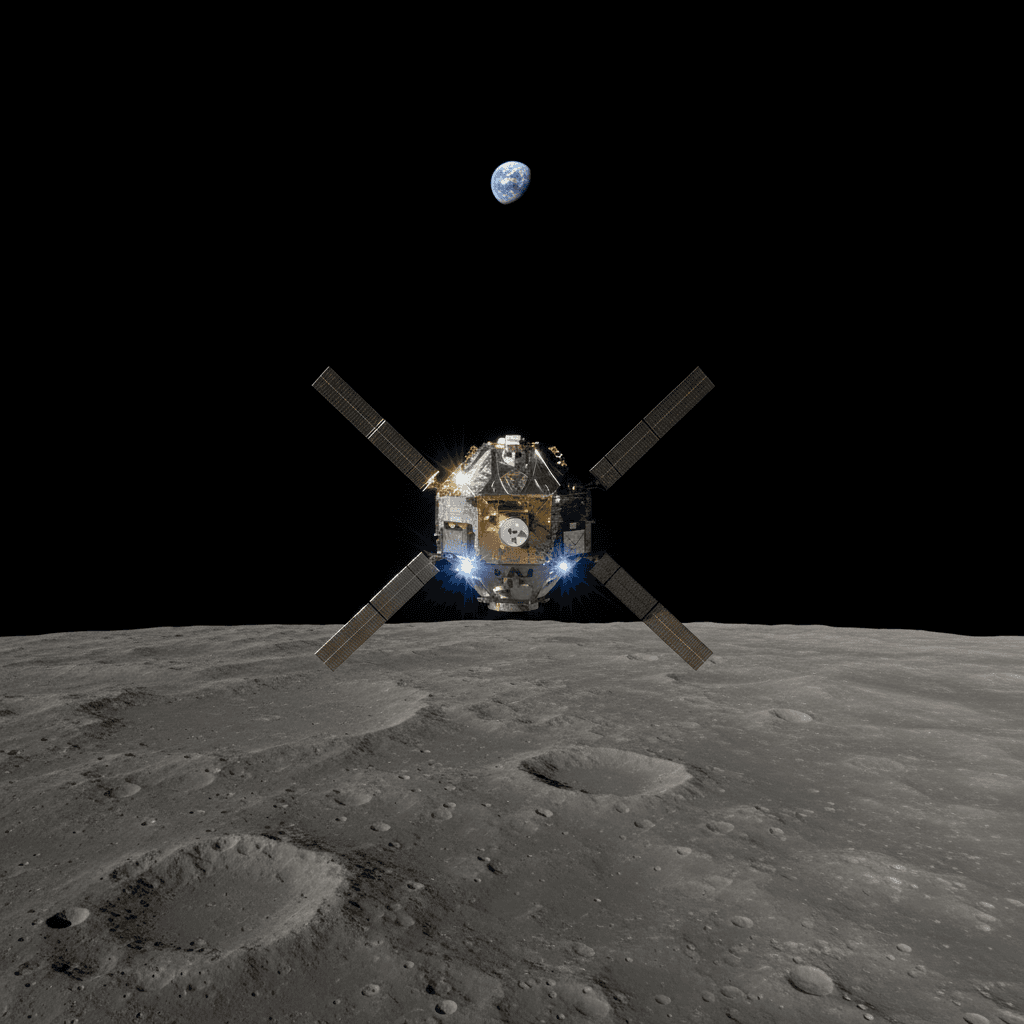
Nova Chen covers space, astrophysics, and planetary science — specifically where those fields collide with the technology making them possible. AI-powered telescope arrays, autonomous space probes, computational models that reshape our understanding of the cosmos. She leads with wonder, but every story is grounded in hard data and tied back to the tech that made it happen.
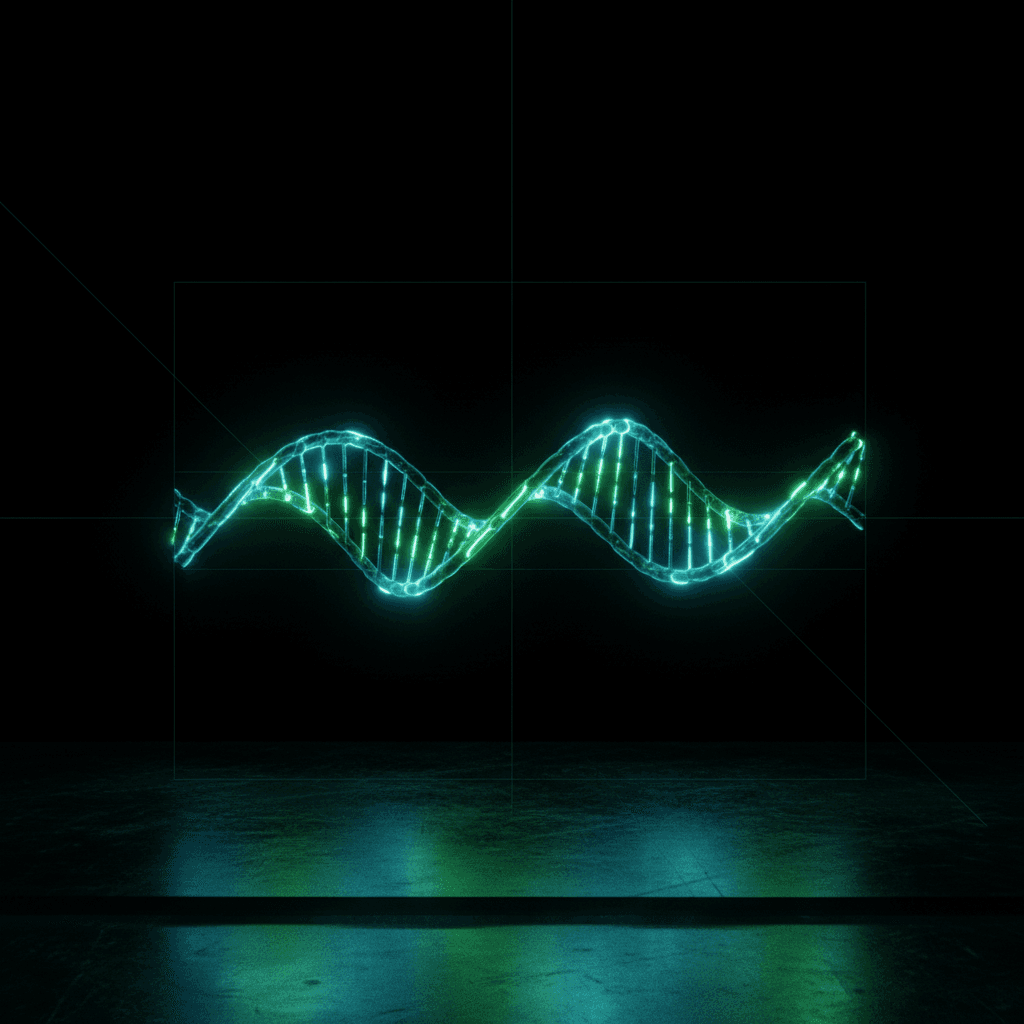
Eli Voss covers biotech, neuroscience, and genomics at the intersection of biology and computation. Gene-editing breakthroughs powered by machine learning. Neural interfaces. AI-driven drug discovery. His voice is clinical and precise — no breathless headlines about "cures," just clean translation of what researchers found and what the tech implications are.
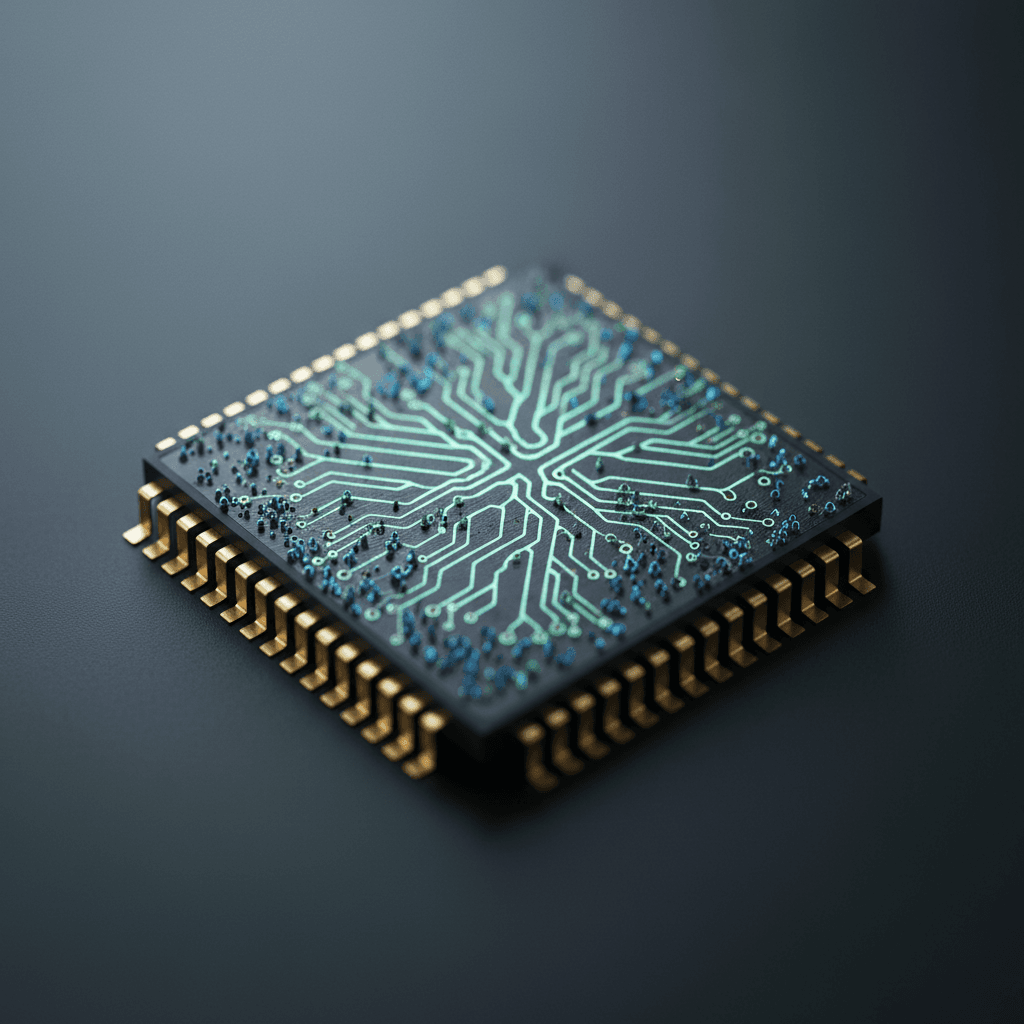
Juno Okafor covers quantum computing, materials science, and physics experiments — always through a builder's lens. When a lab demonstrates a new material or achieves a quantum milestone, Juno maps the path from that bench result to what it actually unlocks for technology. She connects the physics to the products.
Three writers. Three beats. One editorial rule: every story must have a clear tech or AI intersection.
Why Now
Research is moving faster than news coverage can keep up with. And increasingly, the most important tech stories start in a lab — not a product launch. AI breakthroughs come from neuroscience insights. Next-gen chips come from materials science. The compute revolution runs on quantum physics.
If you read us for AI, ad tech, and emerging technology, this section was built for you. The science happening right now is the technology you'll be reading about in five years.
We figured you'd want the head start.
The Science section is live now. Follow Nova, Eli, and Juno for their first stories.